Do you have questions about us?
Contact UsDo you have questions about us?
Contact Us


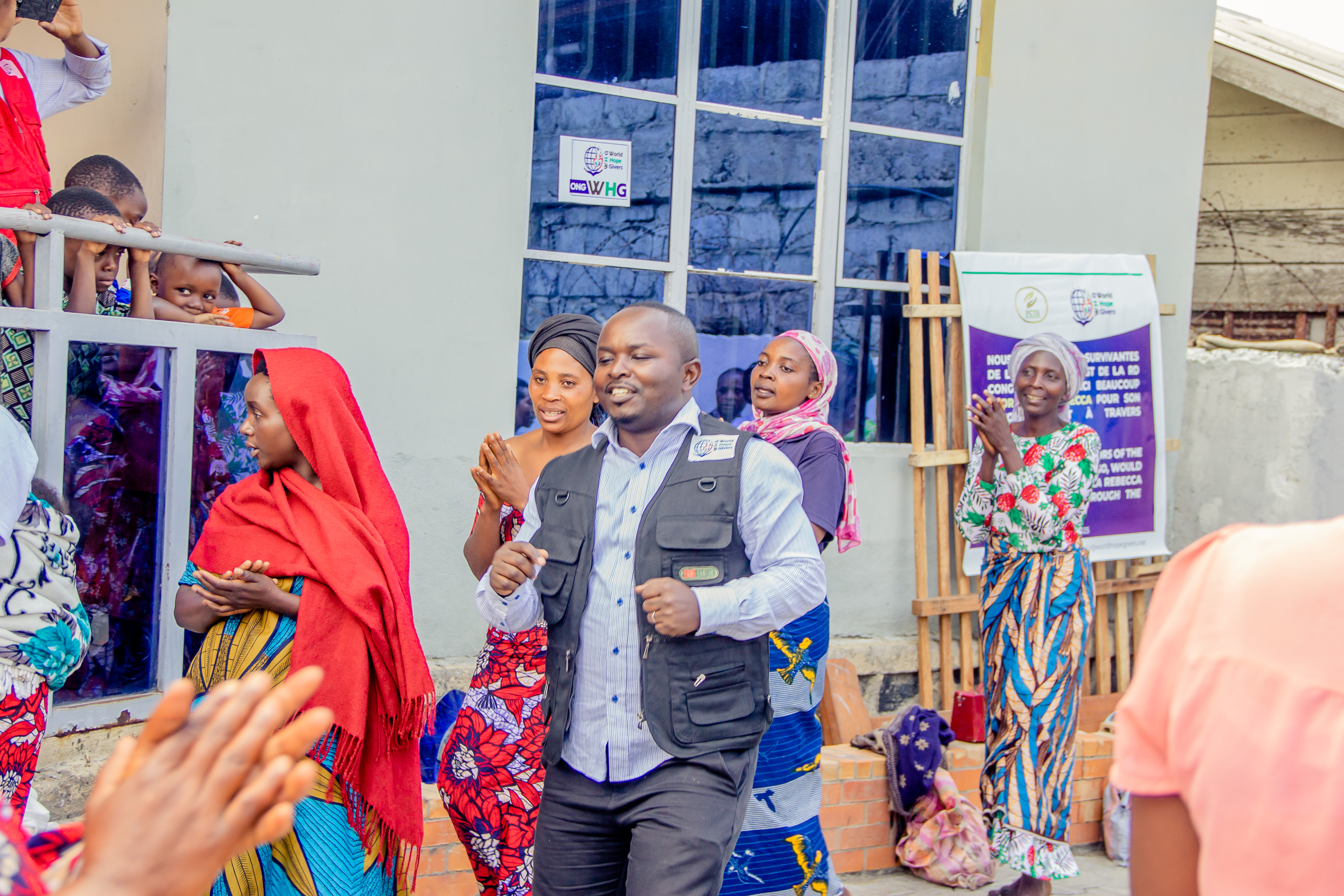
WHG is an organization founded on February 17, 2017, in Goma, Democratic Republic of the Congo. It responds to the humanitarian needs of populations in crisis situations and upholds their dignity, while promoting and implementing opportunities for sustainable development and human rights by investing in human potential. WHG has already implemented more than 10 projects, reaching over 4,500 beneficiaries thanks to its mobile field teams and office staff composed of 93 volunteers and 20 employees, 55 percent of whom are women. It operates in the cities of Goma, Beni, Butembo, Bukavu, the territories of Nyiragongo, Lubero, and Walikale in North Kivu Province; in the territory of Kabare in South Kivu; and in Bunia in Ituri Province, in the eastern region of the DRC. WHG carries out its work by the grace of God and with the financial and technical support of its partners, including American-based NGOs such as Fesser and Friends Inc, The Rizing Phoenix Foundation Inc, BridgeWay Foundation, Eagle Watch Foundation, UJAMI Network-LM International, the Polish organization The Polish Center for Torture Survivors, as well as other private donors from all corners of the world who share its vision.
WHG's vision is to see vulnerable populations, affected by poverty, social injustice, or a given humanitarian crisis, well-assisted and developed.
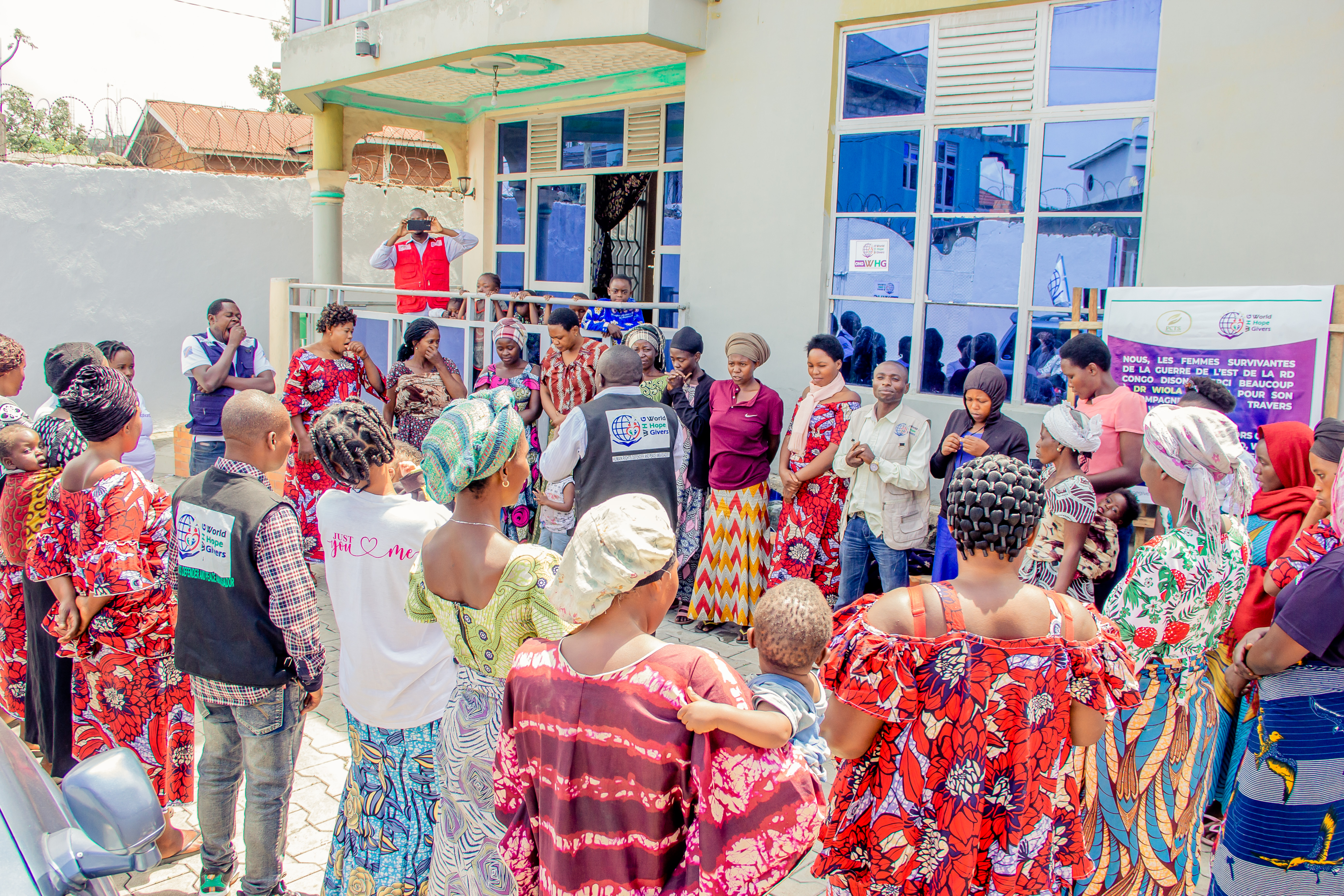
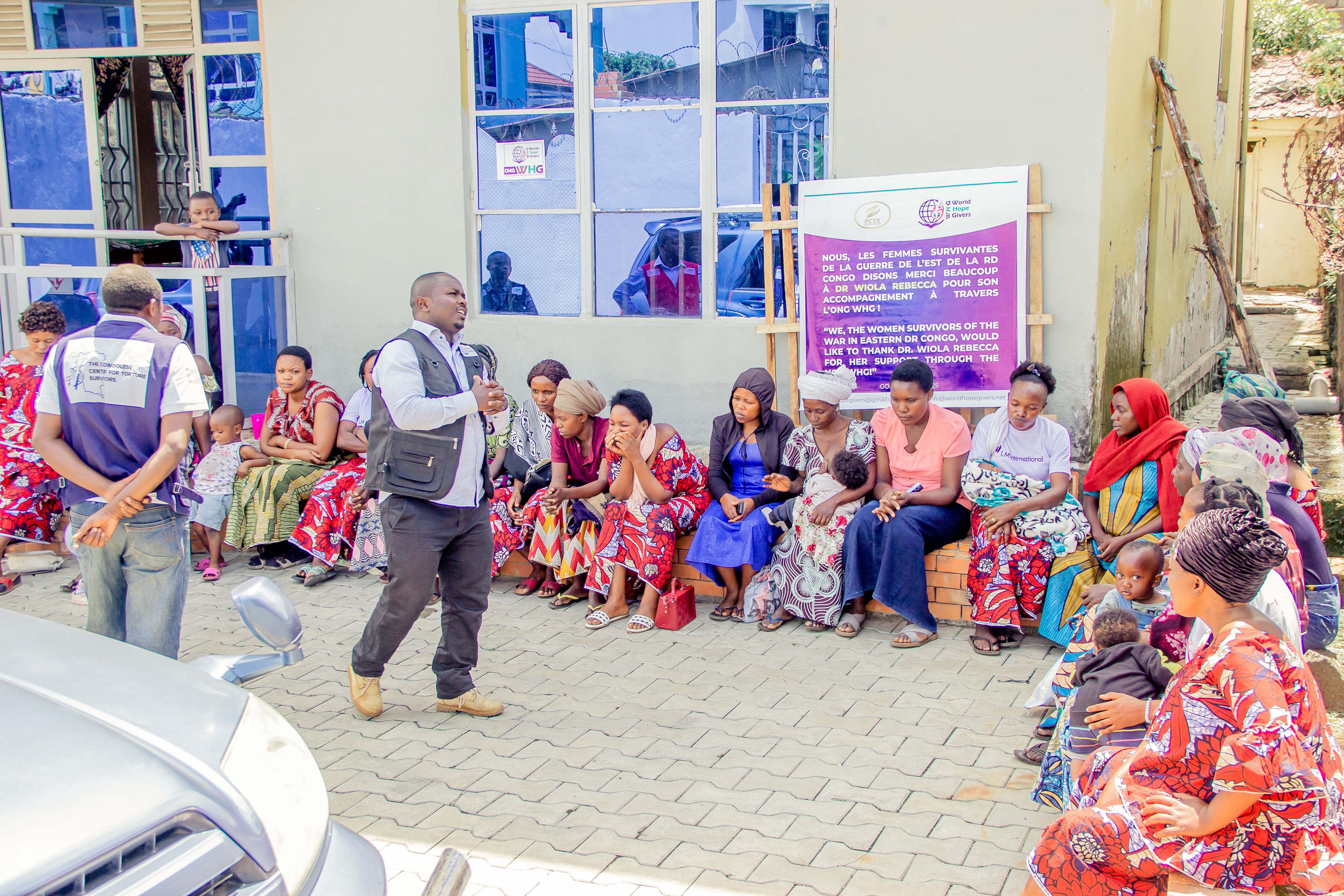
WHG's mission is to save the lives of populations whose lives and livelihoods have been broken by poverty, social injustice, or a given humanitarian crisis.
We are a Christian-oriented charitable organization guided by the following values:
We serve those suffering from poverty and injustice, without distinction of color, creed, or gender, within God's plan to redeem, reconcile, and restore the world. We seek to follow Jesus by leading holy, humble, and honest lives, individually and collectively. We are Christians. In the abundance of God's love, we find our calling to serve others.
It encourages equitable and collaborative relationships between individuals, communities, and those who work to support them. It aims to address power imbalances. The standard is relevant and applicable to all those who, individually or collectively, work to support individuals and communities.
Being people of good morality and possessing good values is not enough for us. We must put our words into action. This means adopting responsible behaviors: being honest and direct with subordinates, recognizing their efforts, not satisfying one's own needs to the detriment of those we assist, and working hard to become an even better leader.
Our commitment translates into concrete actions and measurable results that demonstrate our impact.
Discover our committed partners who make our actions possible
.jpeg)